

The Translational Neuroscience Center strives to accelerate the development of therapeutic options for children with brain disorders by fostering timely and efficient translational research.
The Translational Neuroscience Center strives to accelerate the development of therapeutic options for children with brain disorders by fostering timely and efficient translational research.
Our Advocacy and Research Partners
The Translational Neuroscience Center’s alliances with patient advocacy groups, community partners and other research organizations are fundamental to our mission. Combining our knowledge, commitment and resources, we accelerate translational research, convene scientific and family meetings, and reflect patient and caregiver priorities in our program design.
















For Patients
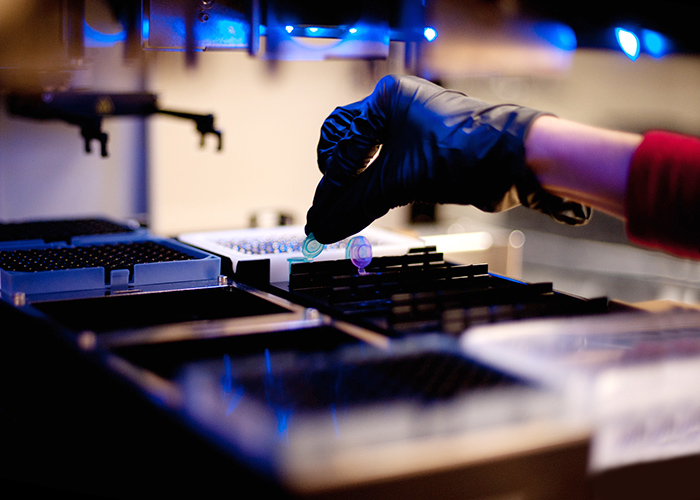
Research Services
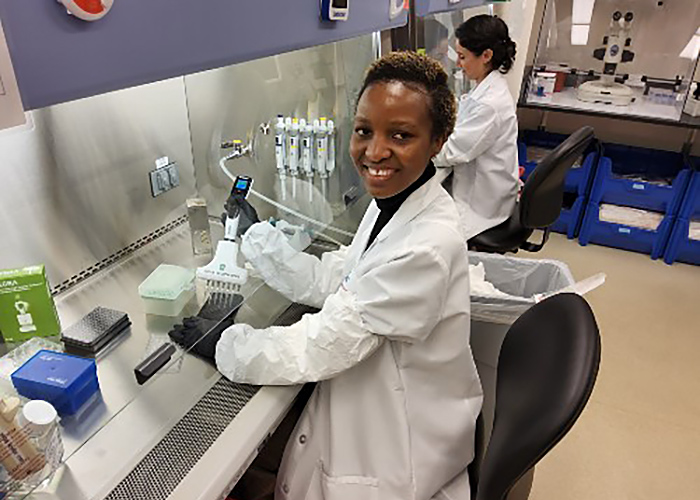
Research Funding
Featured News & Events
Translational Neuroscience Center Symposium, March 31, 2027
On Wednesday, March 31, 2027, the Rosamund Stone Zander and Hansjoerg Wyss Translational Neuroscience Center (TNC) at Boston Children’s Hospital will host its sixth symposium entitled Collaborative Models of Accelerating Clinical Trial Readiness in NDDs at Harvard Medical School’s Joseph B. Martin Conference Center.
Development of a Patient and Caregiver-Centered Pediatric Disease Concept Model for Kleefstra Syndrome
In collaboration with RSZ TNC researchers and support from IDefine – The Kleefstra Syndrome Foundation, a graduate student from the Boston University Genetic Counseling Program, Kristen Connors, developed a disease concept model for Kleefstra syndrome (KS). This patient and caregiver-centered research identified unique aspects of the condition that most greatly impact the patient population and their families. This data may be used to generate educational materials for families and clinicians, and direct the eventual development of KS-specific interventional treatments that target features that are most important to the KS community.
Base editing of trinucleotide repeats that cause Huntington’s disease and Friedreich’s ataxia reduces somatic repeat expansions in patient cells and in mice
RSZ TNC and Broad institute researchers utilize base editing to reduce the repetitiveness of trinucleotide repeats that cause Huntington’s Disease and Friedeich’s Ataxia.